


U.S. House Moves Bill on Nigeria Aid, Signaling Stronger Oversight of Foreign Assistance
The United States House of Representatives has advanced legislation concerning financial assistance and development support for Nigeria, marking another significant step in Washington’s ongoing review of foreign aid policies.
The proposed bill reflects growing interest among U.S. lawmakers in ensuring that assistance provided to partner nations delivers measurable results, strengthens democratic institutions, and supports long-term economic and security objectives.
Although the legislation must still complete additional stages before becoming law, its progress has attracted attention from policymakers, analysts, and international observers because of Nigeria’s strategic importance in Africa.
Why the Bill Matters
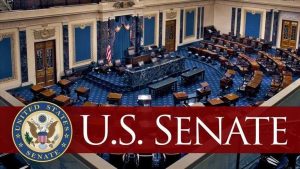
Nigeria remains one of the United States’ key partners on the African continent, with cooperation spanning security, economic development, public health, education, humanitarian assistance, and democratic governance.
Over the years, U.S. support has contributed to programs designed to improve healthcare services, expand educational opportunities, strengthen election systems, combat terrorism, and promote economic growth.
The latest bill is viewed as part of a broader effort to ensure that future assistance aligns with clearly defined objectives while increasing transparency and accountability in how funds are allocated and monitored.
Focus on Accountability
One of the recurring themes in discussions surrounding international development assistance is accountability.
Lawmakers have increasingly emphasized the need for stronger oversight to ensure taxpayer-funded programs achieve their intended outcomes and benefit the communities they are designed to serve.
Supporters of the legislation argue that improved monitoring can enhance public confidence in foreign assistance while encouraging more effective partnerships between donor countries and recipient nations.
Implications for Nigeria
If enacted, the legislation could influence how future U.S. assistance is structured, managed, and evaluated.
Development experts note that stronger oversight does not necessarily mean reduced cooperation. Instead, it may encourage more targeted investments in sectors capable of delivering measurable improvements.
Areas that have historically benefited from U.S. assistance include:
- Public health initiatives.
- Agricultural development.
- Education and vocational training.
- Humanitarian relief.
- Security cooperation.
- Democratic governance.
- Youth empowerment programs.
- Economic development projects.
Any changes introduced under the proposed legislation would likely be implemented through existing diplomatic and development partnerships.
Nigeria–U.S. Relations
Nigeria and the United States have maintained longstanding diplomatic relations based on shared interests in regional stability, trade, investment, and security.
Beyond government cooperation, both countries maintain strong educational, business, and cultural ties that continue to strengthen people-to-people relationships.
Observers believe continued dialogue between both governments will remain important as discussions surrounding foreign assistance evolve.
Legislative Process Continues
Although the House has moved the bill forward, the legislative process is not yet complete.
For any proposal to become U.S. law, it must pass the required legislative stages, including consideration by both chambers of Congress where applicable, before being presented for presidential action in accordance with the U.S. Constitution.
As the process continues, stakeholders in both countries are expected to monitor developments closely.
Global Importance of Development Partnerships
International development assistance has become an important instrument for addressing global challenges such as poverty, food security, healthcare access, climate resilience, education, and conflict prevention.
Many experts believe that effective partnerships require transparency, mutual accountability, and regular evaluation to ensure resources produce sustainable results.
The debate surrounding the proposed legislation reflects a wider international conversation about how development assistance can deliver greater value while respecting the priorities of partner nations.
Looking Ahead
The advancement of the bill by the U.S. House represents another chapter in the evolving relationship between Nigeria and the United States.
Whether the legislation ultimately becomes law or undergoes further amendments, it highlights the growing emphasis on accountability, measurable outcomes, and strategic cooperation in international development.
For Nigeria, continued engagement with international partners remains an important component of efforts to promote economic growth, strengthen institutions, and improve the well-being of its citizens.
As lawmakers continue deliberations, attention will remain focused on how the proposed measures may shape future cooperation between both countries.
#USHouse #NigeriaAid #USCongress #NigeriaNews #ForeignAid #Diplomacy #InternationalRelations #GlobalDevelopment #BreakingNews #EchoesUndilutedNews
About The Author
