

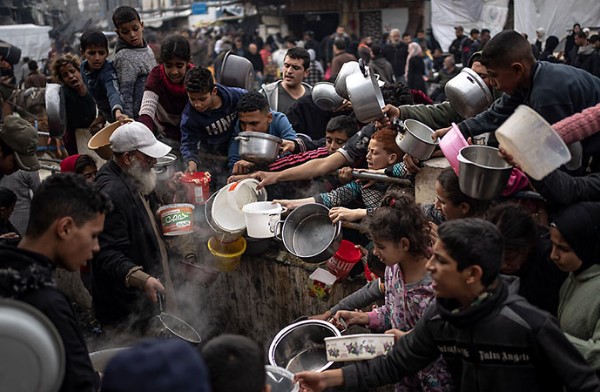
Iran Conflict Deepens Food Crisis, Puts More Nigerian Children at Risk of Malnutrition
A new report has raised concerns over the indirect impact of the ongoing conflict involving Iran, warning that disruptions to global supply chains and rising food costs are worsening food insecurity in Nigeria and placing more children at risk of malnutrition.
The findings suggest that external geopolitical tensions continue to affect vulnerable economies, with Nigeria among the countries experiencing increased pressure on household food access.
Rising Food Prices Affect Vulnerable Families
According to the report, instability in global markets has contributed to higher transportation and commodity costs, making nutritious food less affordable for many low-income households.
As food prices continue to rise, families with limited income are finding it increasingly difficult to provide balanced diets for their children, exposing many to poor nutrition and related health challenges.
Health experts warn that prolonged food shortages could have lasting effects on children’s physical growth, cognitive development, and overall well-being.
Children Face Growing Nutritional Challenges
The report highlights that young children remain among the most vulnerable during periods of food insecurity. Reduced access to protein-rich foods, fruits, vegetables, and essential nutrients can increase cases of stunting, wasting, and weakened immune systems.
Medical professionals have called for stronger nutrition programmes and targeted interventions to support communities most affected by rising living costs.
They also stressed the importance of early detection and treatment of malnutrition to prevent long-term health complications.
Global Events Continue to Influence Local Economies
Economic analysts note that international conflicts often disrupt energy markets, shipping routes, and agricultural supply chains, creating ripple effects that reach developing countries.
Nigeria, like many import-dependent economies, can experience increased inflation and higher food prices when global markets become unstable.
Experts believe strengthening local agricultural production and improving food distribution systems could help reduce the country’s exposure to future external shocks.
Calls for Stronger Food Security Measures
Humanitarian organisations and development partners are encouraging governments to expand social protection programmes, support local farmers, and improve access to affordable food for vulnerable households.
They also recommend greater investment in nutrition education, maternal and child healthcare, and emergency food assistance in communities facing severe hardship.
According to stakeholders, coordinated action between government agencies, international organisations, and the private sector will be essential to reducing the impact of future food crises.
Looking Ahead
While the report points to the influence of global events on food security, experts maintain that long-term solutions lie in strengthening domestic food production, improving agricultural resilience, and expanding nutrition support programmes.
As economic uncertainties persist, ensuring that children have access to safe and nutritious food remains a critical priority for sustainable national development.
#FoodSecurity #Nigeria #ChildNutrition #Malnutrition #PublicHealth #GlobalEconomy #Humanitarian #IranConflict #EchoesUndilutedNews
About The Author
